What We Do

Services

The full list of what we do, from framing to final coat of stain.

HomeServices

Everything we take on

Every job below is one we do ourselves across Garden Grove.

Deck Installation

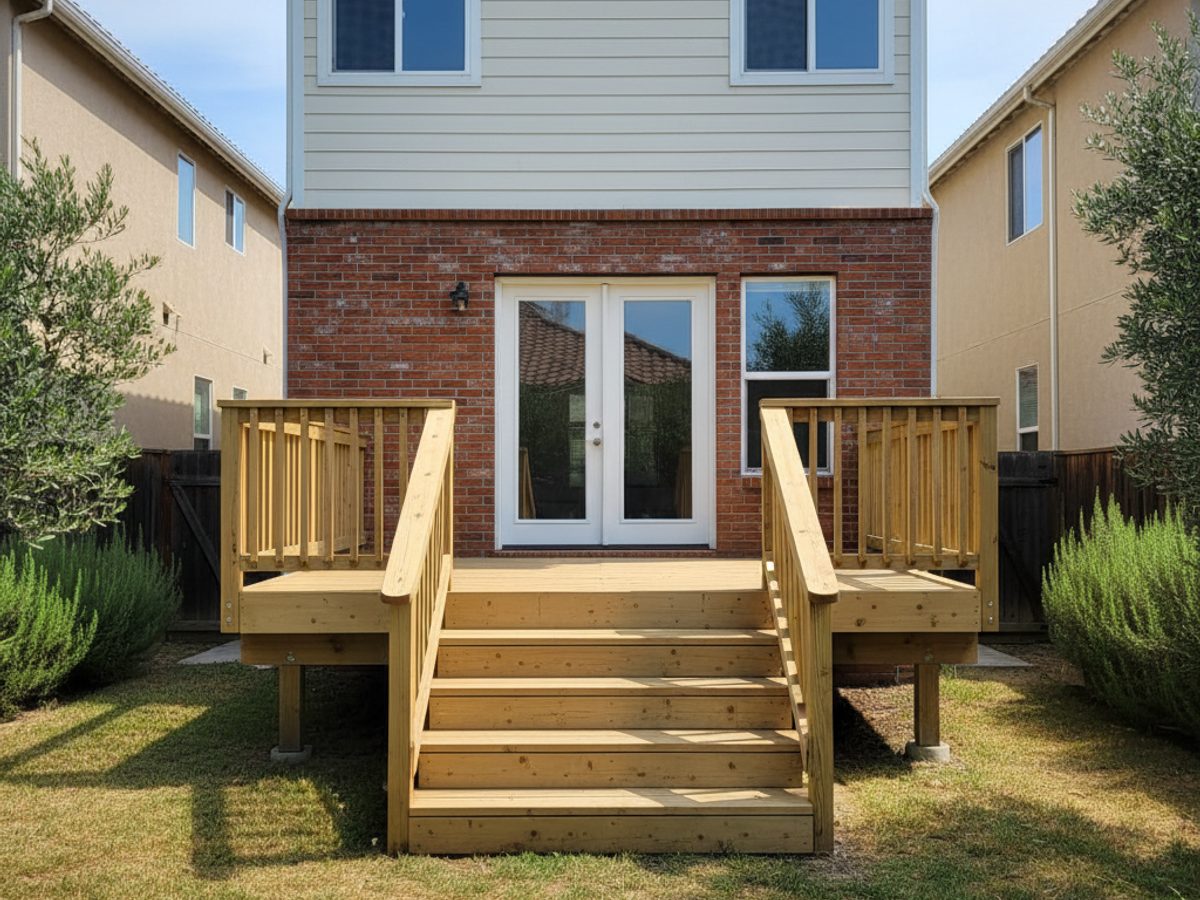
We dig footings to the depth code requires for the soil, which around Orange County usually runs 12 to 18 inches. Posts get set in concrete, beams get bolted rather than just nailed, and the ledger board gets flashed properly so water can't get behind it and rot the house rim joist. Joist spacing gets tightened up on composite decking since that material sags more than real wood over a wider span.

Deck Repair

Most repair calls start with a soft spot underfoot, which usually means a joist has rotted from water sitting against it. We pull the decking in that section, check the joist and ledger connection, and replace what's actually failed instead of screwing a new board over a bad frame. A deck that's had standing water problems for years might need more than a patch, and we'll say so up front.

Deck Staining & Sealing

Wood decking left bare in Southern California sun greys and splits within a year or two. We pressure wash at low PSI so we don't fuzz up the grain, let it dry a day or two, then apply a penetrating stain and UV-rated sealer. Composite doesn't need this, but the fasteners and any wood framing underneath still do.

Custom Deck Design

Sloped backyards, pool decks, decks that wrap around a corner of the house, we draw it out before we cut anything. We'll walk you through footing placement, board direction, and where the stairs make sense given your yard's grade. If your HOA needs drawings for approval, we can put together what they'll want to see.

Composite Decking Installation

Composite costs more upfront than pressure-treated lumber but skips the annual staining and doesn't splinter. We still frame with real lumber joists underneath, hidden fastener clips keep the deck screws out of sight, and we leave the manufacturer's gap spacing so the boards can expand in summer heat without buckling.

Deck Railing Repair & Installation

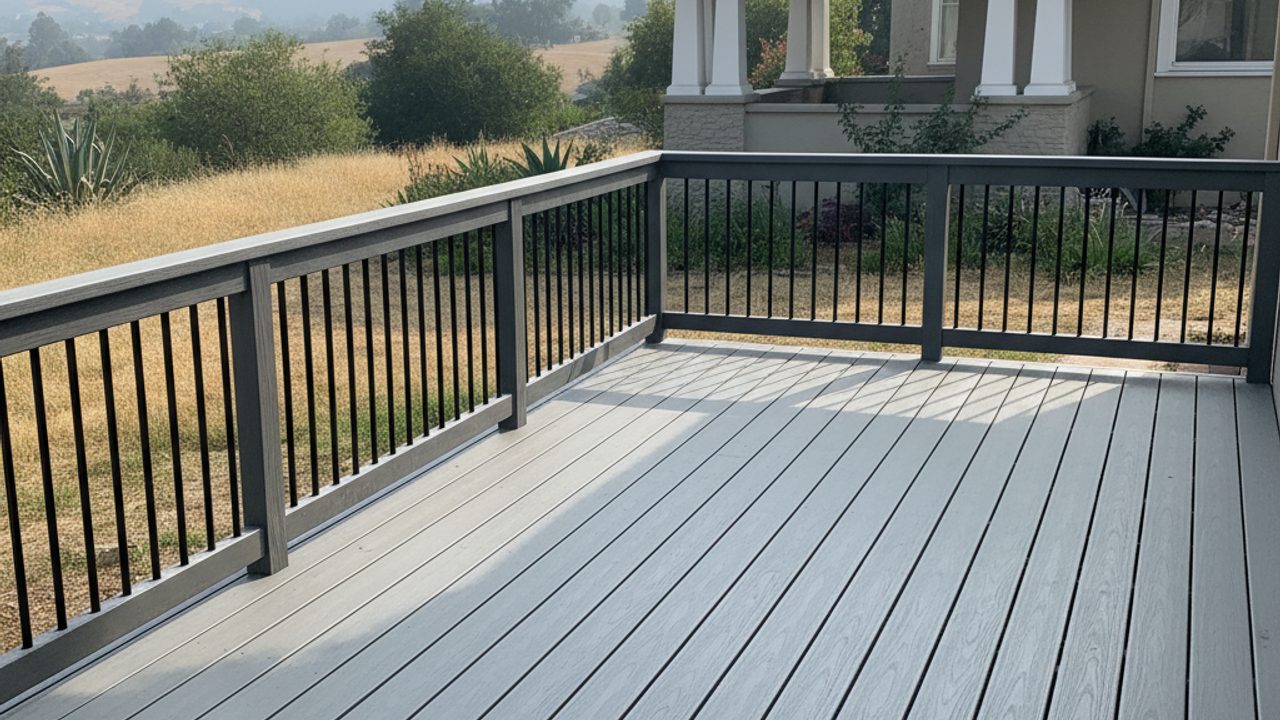
A railing that flexes when you lean on it is usually a post rotted at the base or bolted into decking instead of the frame. We anchor posts through the rim joist with structural screws or through-bolts, since code requires the railing to hold real lateral force, not just look sturdy. Cable rail, wood baluster, or composite, we'll match what's on the house if you're only replacing a section.

Deck Resurfacing

If the frame underneath is still solid, you don't need to rebuild the whole deck, just replace the decking boards and refinish. We check every joist while the old boards are off, since that's the one time it's easy to see problems before they're covered back up.

Deck Safety Inspections

Before you sell a house with a deck, or if you just want to know what you're dealing with, we check the ledger connection, footings, joist condition, and railing height against current code. You get a written rundown of what's fine, what needs attention soon, and what's a safety issue now.

Deck Demolition & Removal

Old deck coming out to make way for something bigger, or just coming down because it's not safe anymore. We haul the lumber and hardware off ourselves, so you're not stuck with a pile of nail-studded boards in the side yard.

Pergolas & Deck Covers

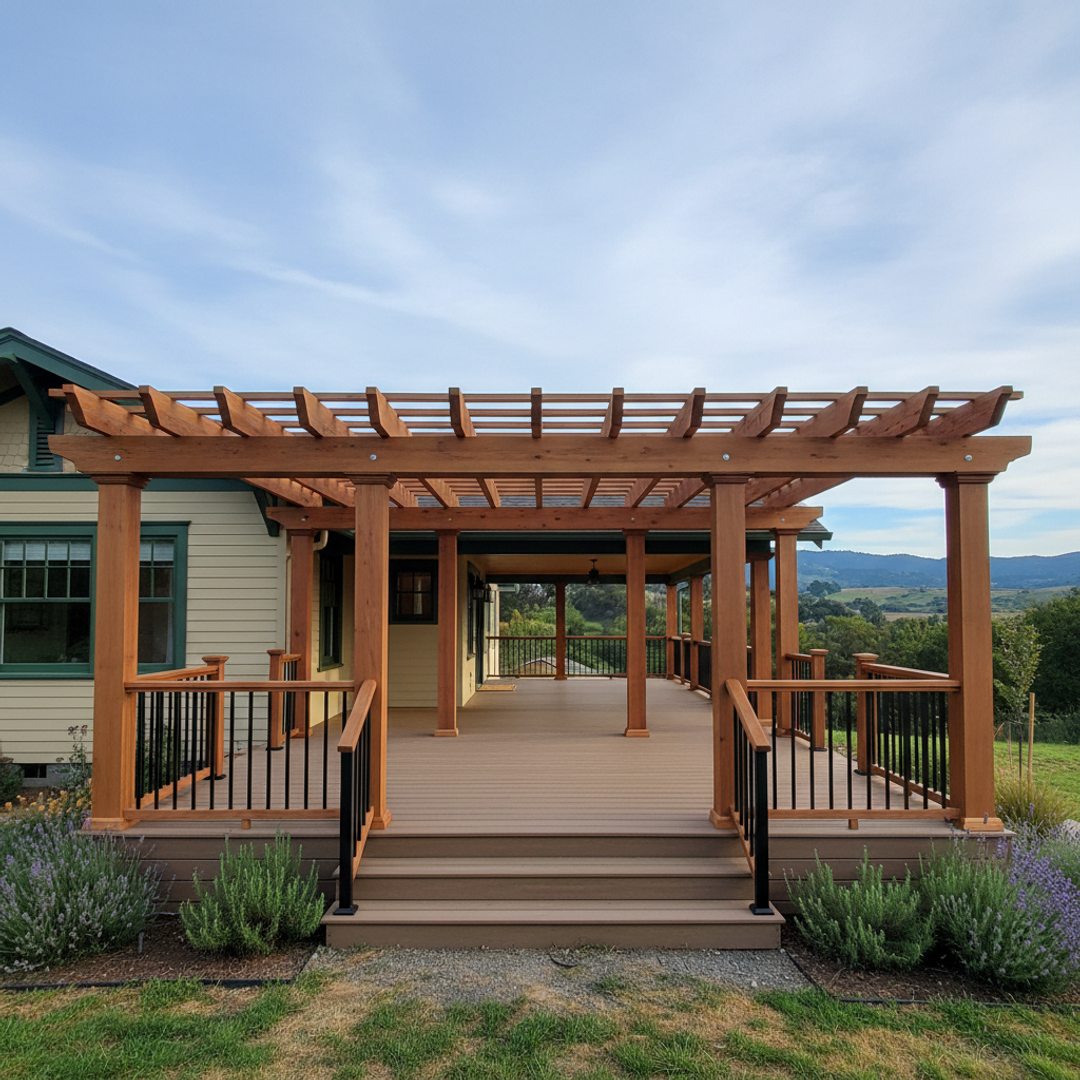
A lot of Orange County decks need shade more than they need more square footage. We build pergolas and shade structures that attach to or sit beside an existing deck, ledger-mounted to the house or freestanding on their own footings depending on your setup.

How It Works

Four steps, and no surprises in any of them.

01

We come and look

You tell us what you want doing, we look at what is actually there, and we ask the awkward questions early.

02

You get a price

In writing, itemised, free. If something might add cost later we flag it now rather than at the end.

03

We do the work

Same crew throughout. We cover your floors, keep the dust down and tidy up before we leave each day.

04

We walk it with you

You point out anything you are not happy with and we fix it before the invoice, not after.

Where We Work

All of this, across Garden Grove, CA

Deck installation and repair covers most of Orange County.

Garden Grove, CA
Long Beach, CA
Anaheim, CA
Santa Ana, CA
Irvine, CA
Huntington Beach, CA
Fullerton, CA
Orange, CA
Costa Mesa, CA
Westminster, CA
Tustin, CA
Common Questions

Things worth asking

Questions that come up once a deck project is underway.

Do I need a permit to build a deck?
Most raised decks over 30 inches above grade require a building permit in Orange County cities, and some cities require permits for any attached deck regardless of height. Pulling the permit and scheduling inspections is part of a proper deck installation, not an optional extra.
How long does it take to build a deck?
A straightforward single-level deck under 300 square feet typically takes one to two weeks from the first footing to the final board. Multi-level decks, custom railing, or permit delays can push that timeline to three or four weeks.
Can a deck be built to fit a set budget?
Deck size, decking material, and railing style are the main levers for hitting a target budget without cutting corners on the frame underneath. Pressure-treated lumber decking with a simpler railing keeps costs down while still meeting code for structural safety.
Is deck construction guaranteed?
Workmanship on deck construction and repair is typically covered under warranty for a set period after completion, and decking material often carries a separate manufacturer warranty, especially with composite products. Ask what's covered and for how long before signing a contract.
Who handles day-to-day questions during a deck build?
A single point of contact, usually the crew lead, handles day-to-day questions and schedule updates during a deck build. That person should be reachable by phone throughout construction, not just at the estimate and final walkthrough.
What decking material is best?
Pressure-treated pine is the cheapest option but should be restained every one to two years in California sun. Cedar and redwood cost more and hold color a bit longer, while composite decking costs the most upfront but requires no staining and resists splintering and rot.
Can the yard still be used during deck construction?
Most of the yard stays accessible during deck construction except the immediate work area, though tools, lumber, and a dumpster or trailer will occupy part of the driveway or side yard. Pets and small children should stay clear of the active work zone for safety.
How should a homeowner prepare before deck construction starts?
Clearing furniture, planters, and grills off the old deck or the build area, and marking sprinkler lines or buried cables near the footing locations, speeds up the start of the job. Trimming back overhanging branches near the work area also helps.
What happens if rot or damage is found once the old deck comes off?
Hidden rot in a ledger board, rim joist, or support post is common once old decking is removed, and it gets flagged before construction continues rather than built over. Any additional repair cost should be discussed and approved before the work happens, not added as a surprise on the final bill.
How should a finished deck be maintained?
Wood decking should get restained every one to two years in Southern California's sun, along with an annual check of railing posts and fastener corrosion. Composite decking mainly requires periodic washing to keep dirt and pollen from building up in the board grooves, plus an occasional check that fasteners haven't backed out.

Not sure what you need?

Describe the problem and we will tell you what it probably is. No obligation.
Call (714) 908-7430